
Who Really Took the "Napalm Girl" Photo? The Dispute Behind Vietnam's Most Famous Image
Who really owns the Pulitzer-winning "Terror of War" photo, taken in 1972? A new investigation reopens the story behind an image attributed to Nick Ut for half a century.
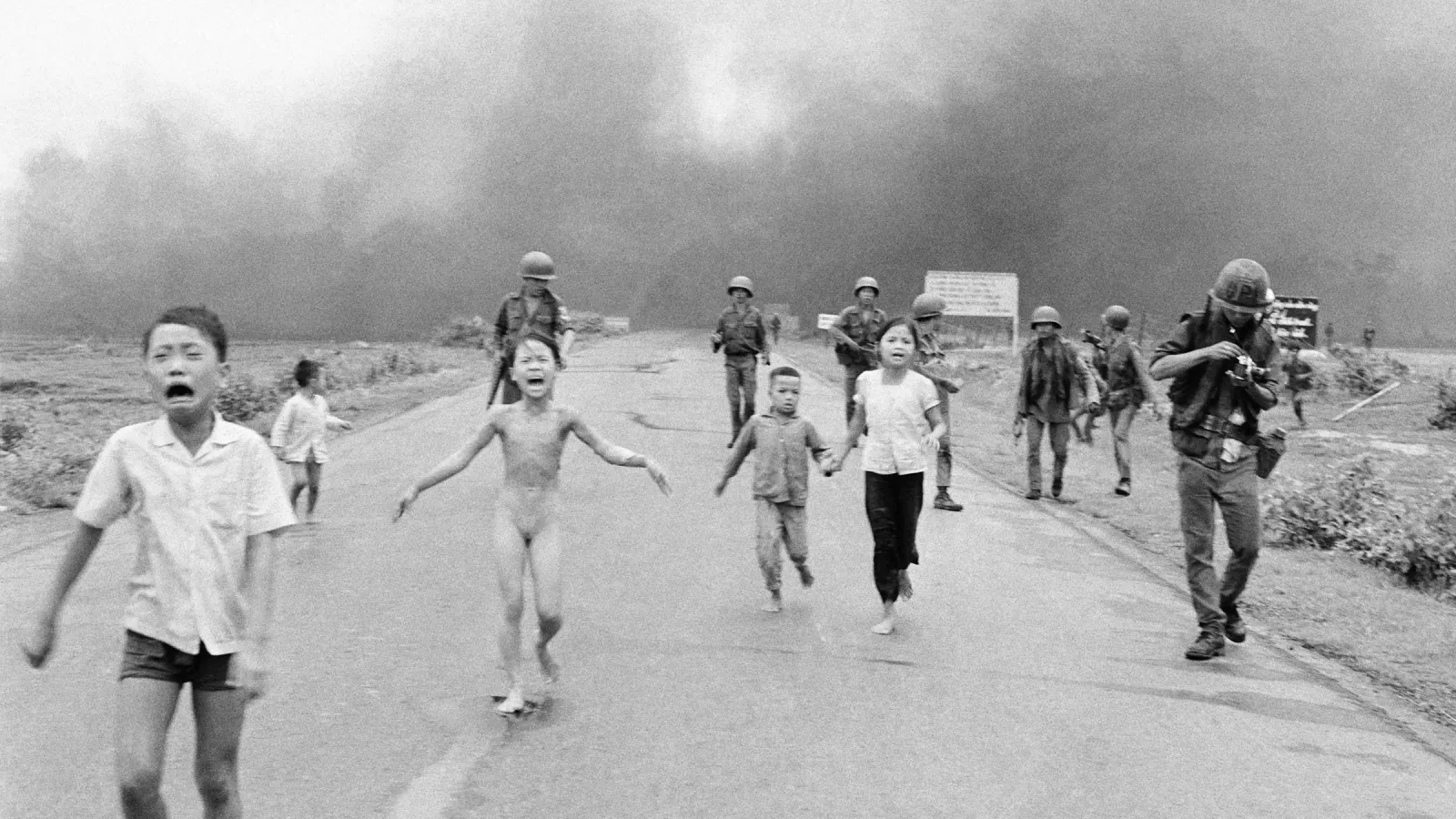
Saigon, June 8, 1972. Before dawn, a small group of journalists put on their war uniforms and safari jackets and slipped out of the waking city in a convoy of vans and rented cars. As they sped northwest, they passed crowds of people searching for shelter: civilians carrying everything they could and children in their arms formed a river of grief flowing south.
The journalists were headed to the town of Trảng Bàng to cover the third day of a North Vietnamese army offensive against South Vietnamese forces. The group included South Vietnamese military photographers and freelance cameramen. That day would become the day one of the century's most iconic war photographs was born: the image of Kim Phuc running naked down the road after a napalm attack.
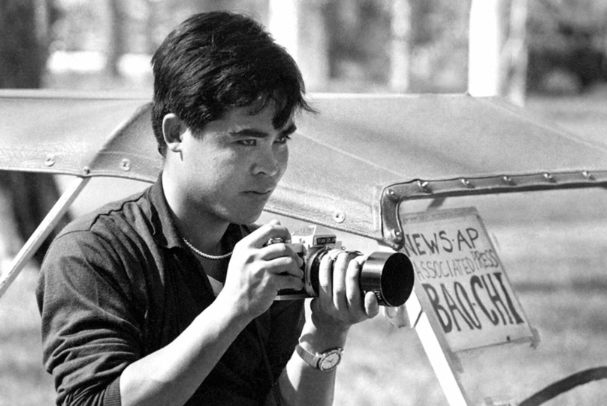
The Associated Press has attributed the photo, known as "Terror of War," to its staff photographer Nick Ut for half a century; the photo won a Pulitzer in 1973 and became a symbol of the anti-war movement. But allegations that have surfaced in recent years suggest the image may have actually been taken by a freelance Vietnamese photographer who was on the same road that day.
Rolling Stone's in-depth investigation compares the chronology of that day, the order in which the film rolls reached the lab, the agency's archival records, and the conflicting accounts of witnesses on the scene. Although the AP concluded, following its own internal investigation, that there wasn't sufficient evidence to change the credit, the dispute over the photo's authorship and historical record continues.
At the center of the story is more than a technical dispute: it touches on the hierarchy of war reporting, the invisibility of local journalists within international agencies, and how the question of who owns an image is intertwined with who gets to write its history.