The True Story Behind "Monsters of God": The Dark Empire of Reptile Smuggling
"Tiger King" and "Chimp Crazy" director Eric Goode's new five-part HBO documentary traces the trail of endangered reptiles smuggled into the country through Florida from the 1970s to today.
 monsters of god
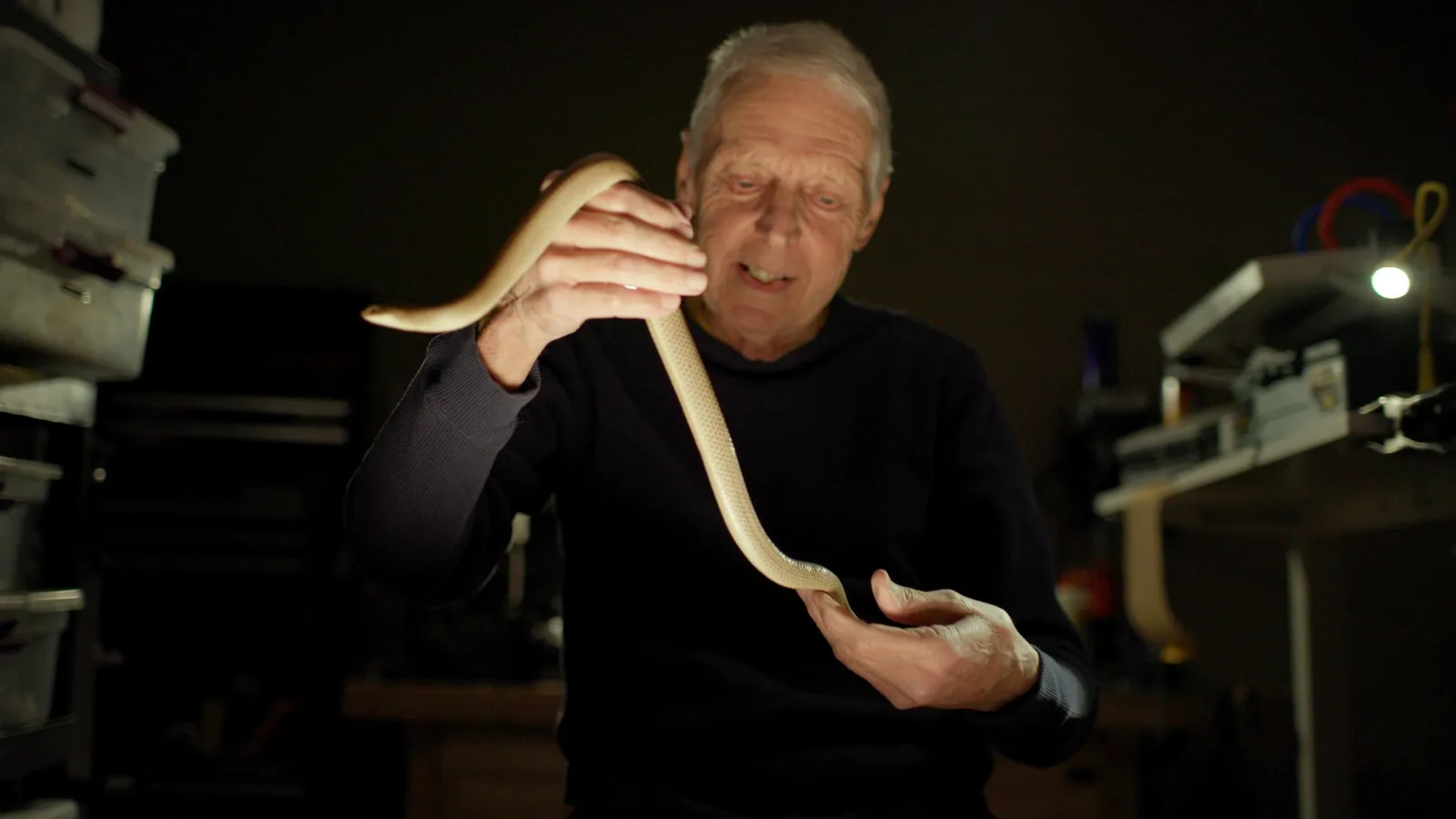
A lifelong reptile enthusiast, Eric Goode has known about the world of exotic reptile smuggling for decades. "I probably became fully aware of the criminal scale of it in the late '80s," says the director of 'Tiger King' and 'Chimp Crazy.' His new documentary, 'Monsters of God,' offers a fresh look at wildlife crime: the five-part HBO series is Goode's most ambitious work to date, examining the boom in endangered reptiles smuggled into the country through Florida from the 1970s onward. The series navigates a network of feuding smugglers and law enforcement operations connecting the Sunshine State to the fauna of Madagascar, Indonesia, and Malaysia.
With remarkable archival footage and a wide range of interviews, 'Monsters of God' portrays both the selfish, ruthless mindset that sustained rival crime empires and the covert operations that brought them down. The series also points a finger at animal lovers who feel a special connection to exotic creatures while turning them into a commodity to be exploited.
"We were especially careful not to make this a conventional true-crime documentary," says executive producer Jeremy McBride. "It's really a portrait of how obsession drives people to acquire the rarest of the rare; it's no different from the pathology of people who collect baseball cards, stamps, or rare coins." The only difference: baseball cards don't bite.
Entering a stolen world
The first episode, which aired August 6, introduces us to this world through a major rivalry: Tommy Crutchfield and Hank Molt. Philadelphia-based Molt traveled the world in search of exotic reptiles in the 1960s and began selling them out of his Pennsylvania pet shop. He's considered a crucial figure in the spread of reptile houses in American zoos. He compiled price lists of rare reptiles and sold them to eager customers and rival zoos, often smuggling animals into the country in suitcases, easily skirting the era's lax customs rules. When the Endangered Species Act went into effect in 1973, Molt's business boomed: a species being declared "endangered" only made it rarer and more valuable.
According to Molt, Crutchfield tailed him closely. Florida-born Crutchfield got his start in high school catching snakes for the "Snake-a-torium" in Panama City Beach; as the market grew, he followed Molt's model, selling smuggled reptiles to collectors and zoos. The pair's rivalry is also chronicled in Jennie Erin Smith's book 'Stolen World.'
Crutchfield once described himself as "a combination of John Dillinger, Bonnie and Clyde." He fled to Belize in 1997 when he faced a third indictment as part of a five-year U.S. Fish and Wildlife Service (USFWS) investigation dubbed "Operation Chameleon."
When Molt went to prison in the late '70s, Crutchfield rose to the top of the food chain; his former mentor wasn't at all pleased when he was released. In 1995, Crutchfield asked Molt to help him hide a shipment of endangered Fiji iguanas. Molt agreed — and, according to Crutchfield, got his revenge by killing the iguanas (Molt denies causing any harm). When the USFWS informed Molt that he too would be charged, Molt struck a deal by handing over the dead iguanas; Crutchfield pleaded guilty and cut all ties with Molt.
A broader rogues' gallery
Unlike 'Tiger King' and 'Chimp Crazy,' the series doesn't focus on a single volatile relationship; it looks at the entire reptile-smuggling ecosystem throughout the '80s and '90s. "This was more of a history lesson on the U.S. reptile trade; it required a very different, much more nuanced approach," says Goode. "We wanted every side of the story: law enforcement, the big zoos complicit in the crime, dealers, consumers."
Later episodes spotlight New York-born Ray Van Nostrand and his son Mike, who took over the legal business "Strictly Reptiles" but eventually succumbed to the lure of smuggling. Ray also did business with Mario Tabraue, the "Cocaine Cowboy" familiar from 'Tiger King': reptiles and drugs traveled in the same shipments into Florida. On the other side are former DEA agent Larry Loveless and USFWS special agents George Morrison and Ken McCloud; "Operation Cobra" and "Operation Chameleon" form the dramatic backbone of two episodes.
Still, they all pale next to Anson Wong, the Malaysian dubbed "the Pablo Escobar of animal smuggling." Running an export business out of Penang since the '80s that trafficked illegal animals, Wong earned a reputation as an extremely elusive and dangerous figure. "We had over 174 interviews and 1,500 hours of footage. Eric's quest to reach Anson Wong gave us our momentum. Wong is the common thread running through every character's story, like Keyser Söze," says McBride.
A very different kind of beast to pull off
Every episode is packed with talking heads openly discussing their crimes, but getting them to talk wasn't easy. Compared to Joe Exotic and Tonia Haddix, the reptile world is far more paranoid. "Joe and Tonia were unique in that sense; they wanted to be seen strutting like peacocks. The reptile world, by contrast, is largely much more guarded," says Goode. Some refused to speak because of ongoing litigation; others spoke freely because they'd already been convicted and couldn't be tried twice.