
"The Mission" — A Scalpel's Cut Through the Darkness
The story of surgeon Muhammed Tahir, defying despair in the dark hospital corridors of Gaza, becomes the purest and most shattering document of human dignity.
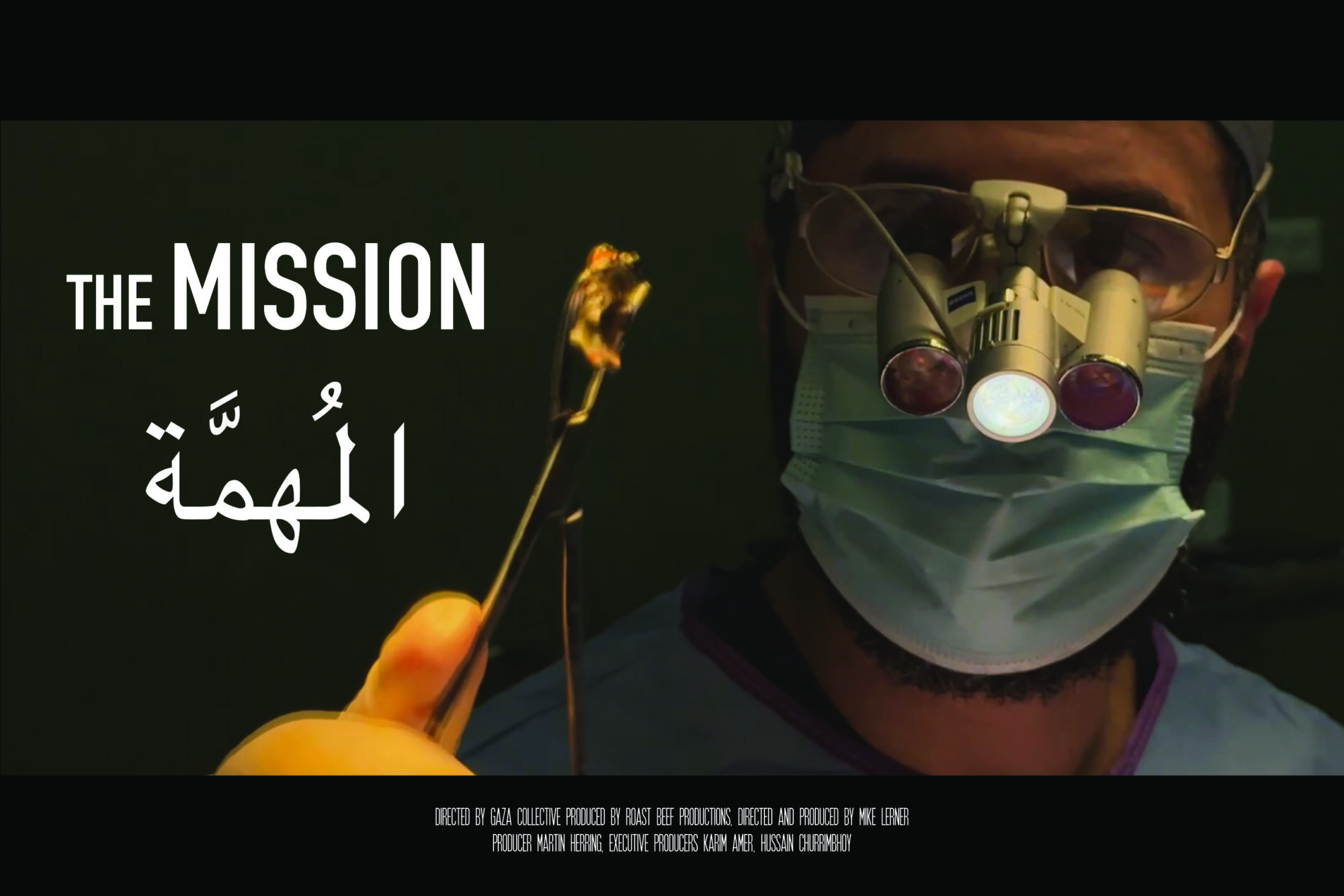
Watching what humans do to each other is always hard, but The Mission defies expectations by placing before us the anatomy of a resilience that blooms right at the heart of that darkness. The film trains its lens on the extraordinary struggle waged by surgeon Muhammed Tahir and his team in a war-ravaged Gaza, amid chaos where the sound of bombardment echoes through hospital corridors. The director makes viewers a party not just to the devastation of a war, but to the very breath of the surgeons stitching wounds with trembling hands amid that destruction.
The documentary's most striking quality is that it presents tragedy with raw, jarring reality rather than turning it into an aesthetic object. The cinematography constantly shifts between claustrophobic hospital rooms and the wide-angle shots of fire raining from the sky, creating a persistent sense of unease. Surgeries performed by cellphone light during power outages symbolize not just a technical shortfall, but how dim humanity's own light has grown. Every new deep line etched onto Muhammed Tahir's face carries the documentary's narrative weight better than any dialogue could.
As a directorial choice, the film adopts a distant but conscientious stance. The camera captures not only the surgeons' successes but the quiet slump of their shoulders born from helplessness. The ethical abyss a surgeon faces, forced to decide who lives and who dies with the scant medical supplies at hand, lodges itself in the viewer's throat. The film sets aside the myth of heroism to show just how heavy the price of "resilience" truly is.
The film's editing follows the rhythm of the chaos. Rapid cuts, the clatter of stretchers in the corridors, and the rumble of explosions outside never give the viewer a moment's rest. Yet amid that noise, the few words of comfort Tahir whispers to his patients form the film's emotional spine. That contrast ensures the film isn't just a war diary, but also a profound manifesto for the will to live.
In the end, The Mission isn't an easy watch; at times it's even harder than we'd like to look at. But if we accept cinema as a form of bearing witness, this documentary stands as a record that shouldn't be missed. The story told through Muhammed Tahir and his colleagues is where, far beyond politics, flesh and bone, hope and destruction meet in their purest form. This production, which carries the cries the modern world has gone deaf to into sterile theaters, will stay with you long after the credits roll.