
"Furious": Hulu's Crime Thriller Shakes Up the Genre's Rules
Starring Emmy Rossum and Lola Petticrew, "Furious" transforms a serial-killer chase into a character drama that questions how audiences consume violence against women.
 IMDb7.6/10
Crime thrillers are one of television's most popular genres, and in recent years they've kept reproducing the same narrative formulas and rehashing the same themes. Yet they never stop pulling audiences in. When 'Furious' was announced, its premise sounded like a summary of dozens of shows before it: a female detective whose personal life is falling apart hunts a serial killer. But by the end of the first episode, it's clear this show is different from everything else airing this year.
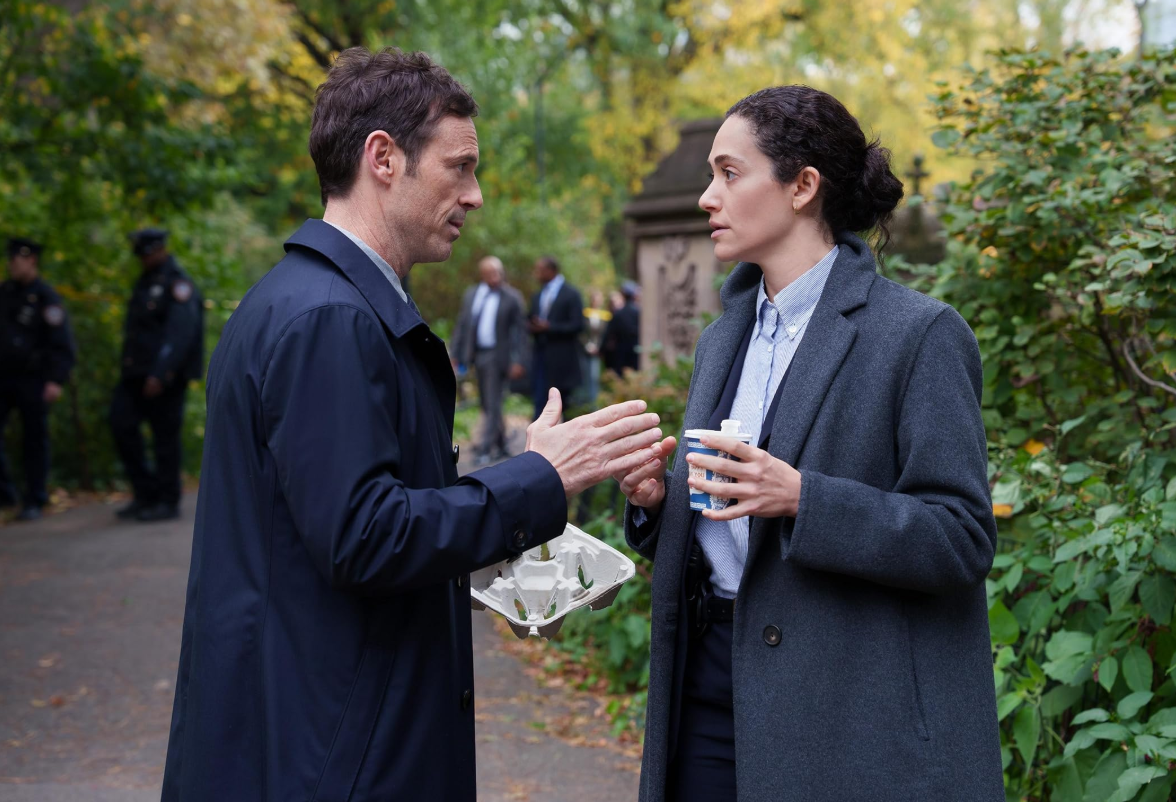
The series follows Alice Black (Emmy Rossum), who has moved from homicide to working an FBI tip line. When she's called in to investigate the murder of a wealthy man, she realizes it's connected to another case she worked a year earlier. The prime suspect in both cases is a young woman named Catherine (Lola Petticrew), who had relationships with both men before they died. Evading cameras behind a mask and going unnoticed thanks to her unassuming appearance, Catherine drugs her victims, interrogates them, and then kills them. As Alice digs deeper into the case, it becomes clear the two women are two sides of the same coin, and the bond between them turns into a gripping cat-and-mouse chase.
What sets 'Furious' apart from its peers is its examination of violence: it questions how survivors of abuse relate to these acts in different ways. Alice invites men over for rough physical encounters and then throws them out. She knows the abuse she suffered broke something in her; rather than shaming her for it, creator Elizabeth Meriwether courageously explores how her past brought her here, and what that means for someone trying to heal. On the other end of the spectrum, Catherine uses violence as a way to take control of her life; as the show progresses, it's revealed that her victims are men who used their power to victimize countless women and girls.
Both characters exist outside "acceptable" representations of womanhood, and the show opens into an empathetic view of how survivors of abuse see themselves and those around them. Alice sees a version of herself in the woman she's struggling to catch; this kinship lets her read both Catherine's motives and her next moves. Formally, there may not be major innovations worth praising; but the harsh lighting and muted backdrops create space for a character drama that surpasses every other crime show of the year.
Rossum and Petticrew are exceptional, and they're surrounded by a phenomenal supporting cast. One of the few people standing by Alice is her friend Dan Kelly (Scoot McNairy); his closeness to Alice has cost him standing in a profession where men expect loyalty from one another no matter the price. Their relationship crosses the line between platonic and romantic, and it's so tender that when they're on screen together, it feels like they're living in a different show. Whether it's an argument in the car or a whispered conversation on the bathroom floor, every exchange gives the show both levity and a devastating heart.
Violence against women and girls has long been intertwined with crime dramas, and assault and murder cases have often shaped how we understand victims and survivors on screen. Finally, after decades of exploitation, 'Furious' gnaws at the genre's conventions and forces viewers to reckon with how they consume these stories and how they talk about survivors of abuse — reminding us that paths to healing are neither pretty nor linear.
Even though 'Furious' is full of surprises and twists, its existence signals something beyond a crime drama. What this show does is take a genre that asks its audience to stare at violence inflicted on women to a place that forces us to confront how those acts shape the people around us, and whether we, as viewers of this genre, share responsibility for its existence.