David Byrne'den "Reader Interview": Ramones'un Deri Ceketi, Lou Reed'in Dondurma Kaşığı ve Talking Heads Günleri
David Byrne, American Utopia turne filminin gösterime girmesi vesilesiyle Guardian okurlarının sorularını yanıtladı: Ramones ile 1977 UK turnesinden Brian Eno ile stüdyoda çalışma biçimine, Lou Reed'in şaşırtan tavsiyelerinden İskoç mizahının kendisine kattıklarına.
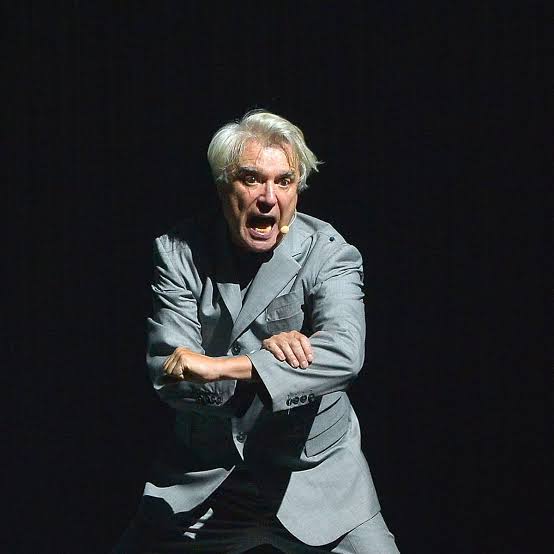
David Byrne, American Utopia turne filminin sinemalara gelmesi vesilesiyle Guardian okurlarının sorularını yanıtladı ve kariyerinin en unutulmaz virajlarına dair sıra dışı bir hatıra defteri açtı. Byrne, Mayıs 1977'de Ramones ile birlikte Liverpool'daki Eric's Club'tan başlayan İngiltere turnesini punk patlamasının tam ortasında yaşadıklarını anlattı: "O turnenin çok güzel bir yanı vardı çünkü birkaç single dışında seyirci bizi hiç görmemişti; hem bize hem Ramones'a büyük bir merak ve açıklık vardı. Roundhouse'daki bir konserde biri gruplara tükürüyordu; Ramones bunu 'saygının' bir işareti olarak görmüyordu haklı olarak. Onlar bizden daha çok tükürük yedi, ama en azından deri ceketleri vardı. Bizim yoktu."
Stop Making Sense turnesinden bu yana canlı gösterilerini rock konserinin fiziksel kısıtlamalarından kurtarma arayışına giren Byrne, bu yaklaşımın nereden geldiğini de ayrıntılandırdı. Gitarının kablosuz olabileceğini fark ettiğinde St. Vincent ile çıktığı turneden ilhamlanmış, oradaki nefesli sazlar Rio samba okulları ve Amerikan futbolu 'drumline' geleneğini akla getirmişti. Perkusyoncusu Mauro Refosco'ya bir davul setini bileşenlerine ayırmak için kaç kişiye ihtiyaçları olduğunu sormuş, altı kişilik cevabı aldığında "Sanırım bunu karşılayabiliriz" demişti. Ardından Macar bir şirketin geliştirdiği kendinden güç kaynaklı MIDI klavyeyi keşfetmesiyle grup tamamen özgürleşti: "Artık her şeyi kablolara bağlı hâlde geri döndüremem."
John Cameron Mitchell'den aktardığı "Aşk ve nezaket şu an yapabileceğin en punk şey" alıntısını konserlerinde tekrarlayan Byrne, kendisini mutlu edenin de bu tavır olduğunu söyledi. True Stories'ten sonra neden yeni bir sinema filmi çekmediği sorusuna ise kendine dönük bir dürüstlükle yanıt verdi: senaryoyu ve araştırmayı kendi cebinden karşılamıştı ama bir sonraki filmde parayı koyan kişi söz de istiyordu. "Bu bazen faydalı olabiliyor, bazen yolunu şaşırıyorsun. Sonunda 'Bir plak yapıp bir gösteri çıkarabilirim' dedim ve müziğe döndüm. Yine de umuyorum ki bir gün dijital kameralarla ve bilgisayarda kurgu yaparak yeni bir film çekerim."
İskoçya'da doğmuş ve İskoç ebeveynlerin çocuğu olarak önce Kanada'ya sonra ABD'ye taşınmış olmasının, ona Amerikan kültürünü dışarıdan izleme yeteneği kazandırdığını söyleyen Byrne, İskoç mizahının çok karanlık ve çok özgün olduğunu vurguladı. Brian Eno ile çalışmayı ise sıcak bir dostluk olarak tarif etti: "Bir yapımcı olarak çenesini kaşıyıp 'Emin değilim' demek yerine 'Bu inanılmaz bir şeyin başlangıcı olabilir, bu yönde ilerleyelim' diyen bir amigo gibiydi." Fun Boy Three'nin Waiting albümünü ve Our Lips Are Sealed işbirliğini de bu 'amigolu' rolle üstlendiğini itiraf etti. Röportajın belki en enfes anısı ise CBGB günlerinden geliyor: Lou Reed onları kendi evine davet edip iki kart dondurmayı gözlerinin önünde silip süpürmüş, ardından Tentative Decisions şarkısını gitarla çalıp Velvet Underground temposuna indirilmesini önermişti. Byrne o zamanki koyu kollu görünümünü de hatırlıyor: "Kollarım simsiyah, maymun gibi kıllıydı. Lou 'Sahnede asla kısa kollu gömlek giyme' dedi."