12 Spin-Off Series Better Than the Original
From "Frasier" to "Star Trek: The Next Generation," 12 spin-offs that overshadowed the series they originated from. SlashFilm's list brings together shows that surpassed their main counterparts in quality or popularity.
Making a spin-off on television is a delicate art. Whether planned or accidental, writers need to create a character that captures the audience's heart, and the actor needs to find the charisma to carry that role. After it airs, the real test begins: for the show to be at least as good as the production it originated from. Most spin-offs stumble right here. But a handful of shows not only reached the level of the main production but went a step further.
This list does not include shows like "Better Call Saul," "Batman Beyond," or "House of the Dragon," which could be considered "at least as good as their predecessor"; here, there are truly those that surpassed their predecessor.
Frasier
 Frasier
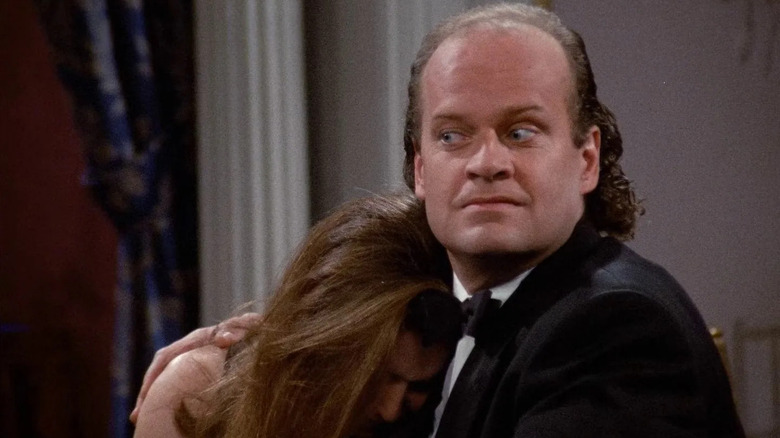
One of the most successful spin-offs of all time: "Frasier" surpassed the quality of its parent series "Cheers." Dr. Frasier Crane was initially intended for only a few episodes, but Kelsey Grammer's performance propelled him to the center of the show, followed by his own series set in Seattle. Thanks to Frasier and his brother Niles's psychiatrist identities, the writers could play with intellectual humor; the other characters provided a comedic contrast to this subtle wit.
Happy Days
 Happy Days
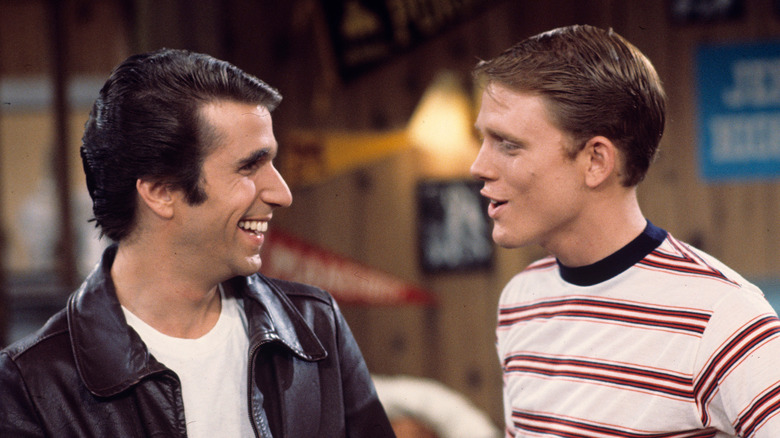
An unusual spin-off by today's standards: the show began as an unsold pilot in ABC's "Love, American Style" anthology. George Lucas liked Ron Howard in the pilot and cast him in "American Graffiti"; the film's success rekindled interest in the pilot. Over time, Fonzie became the show's signature character. "Happy Days" also coined the phrase "jumping the shark" and spawned its own spin-offs like "Laverne & Shirley" and "Mork & Mindy."
Xena: Warrior Princess
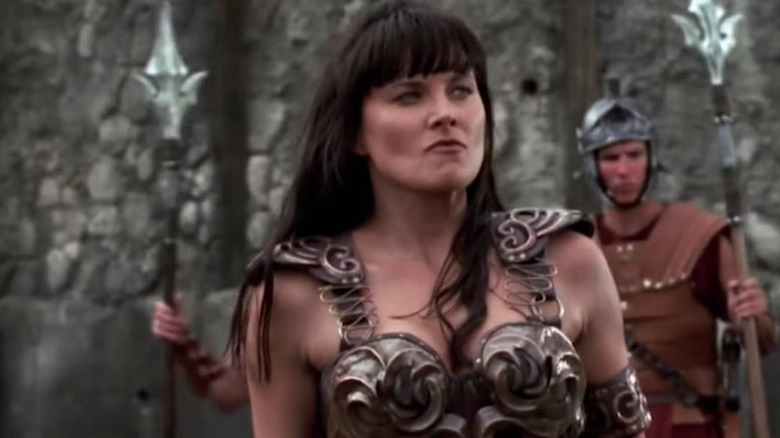 Xena: Warrior Princess
Xena, who appeared for a three-episode arc in "Hercules: The Legendary Journeys," left such an impression on viewers that she earned her own series. With its action, emotion, and complex relationships, the show brought together both male and female audiences, and thanks to the bond between Xena and Gabrielle, it also became a cult favorite for queer viewers; Lucy Lawless openly embraced this interpretation over the years.
A Different World
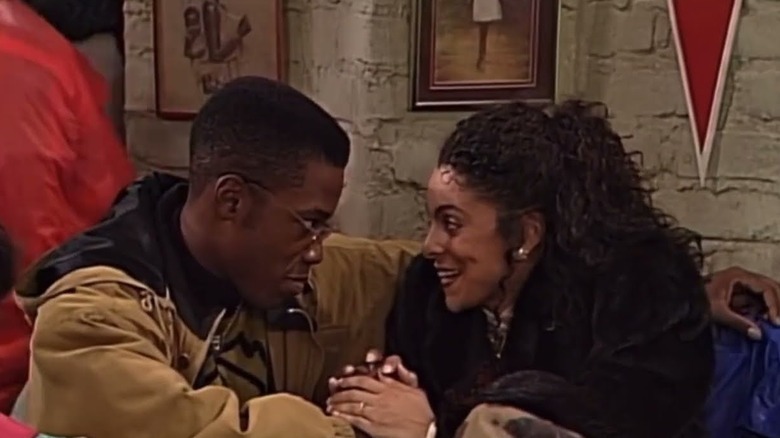 A Different World
Created to move Denise Huxtable from "The Cosby Show" to college, the series found its identity under Debbie Allen's direction after Lisa Bonet's departure. With discussions ranging from gender roles to racism, class issues to Black identity, it established the template for college comedies and surpassed its parent series in depth of content.
Family Matters
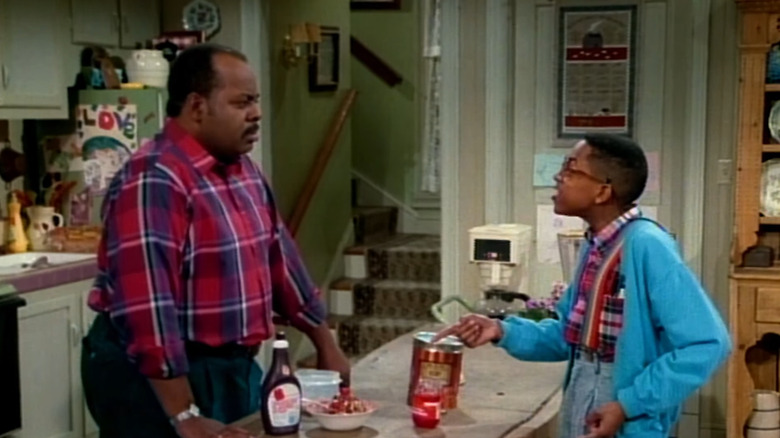 Family Matters
Harriette Winslow was initially an elevator operator in "Perfect Strangers"; her comedic chemistry with her husband Carl earned them their own show. Spanning the entire 90s, the series almost single-handedly defined the concept of a "nerd" with Steve Urkel's "Did I do that?" catchphrase — and maintained a positive portrayal of a Black middle-class family on screen for years.
Law & Order: SVU
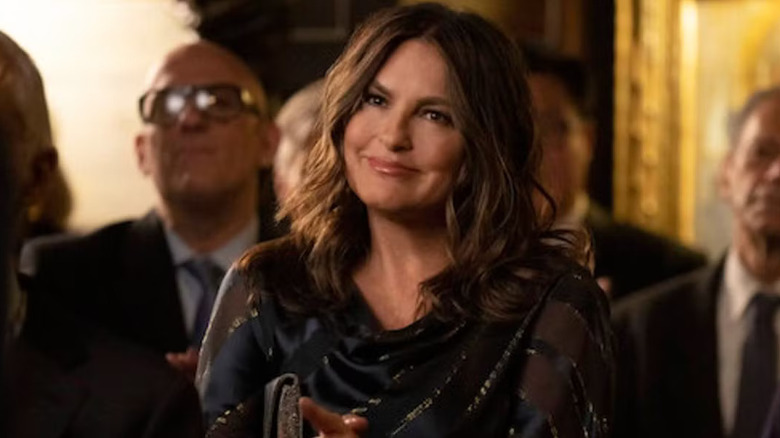 Law & Order: SVU
The strongest link in the "Law & Order" universe. The series, which began in 1999, has served as a school for almost every Hollywood actor for a quarter-century. In addition to perfecting the crime procedural, Mariska Hargitay's Olivia Benson, who embodies both toughness and compassion, saves the show from being a cold case narrative.
NCIS
 NCIS
NCIS
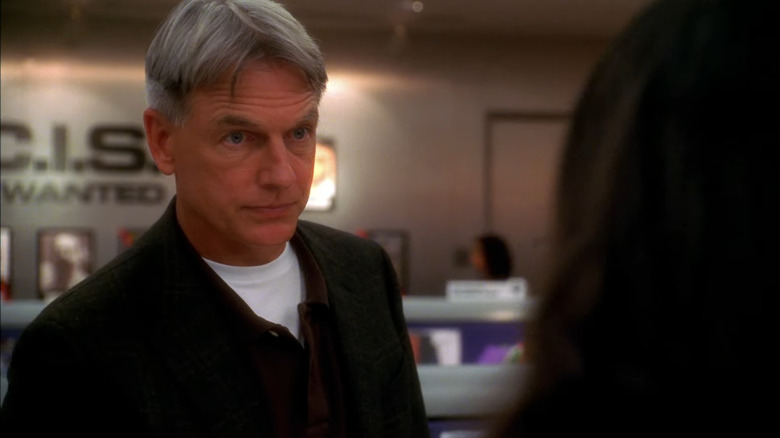
Leroy Gibbs and his team, who appeared in the eighth season of the now-forgotten CBS series "JAG," formed the pilot for "NCIS" with a two-episode arc. The crime procedural, which combines military themes, has been running for over 20 years; even though Mark Harmon has retired from the flagship series, he continues to be part of the universe as the narrator of "NCIS: Origins."
Good Times
 Good Times
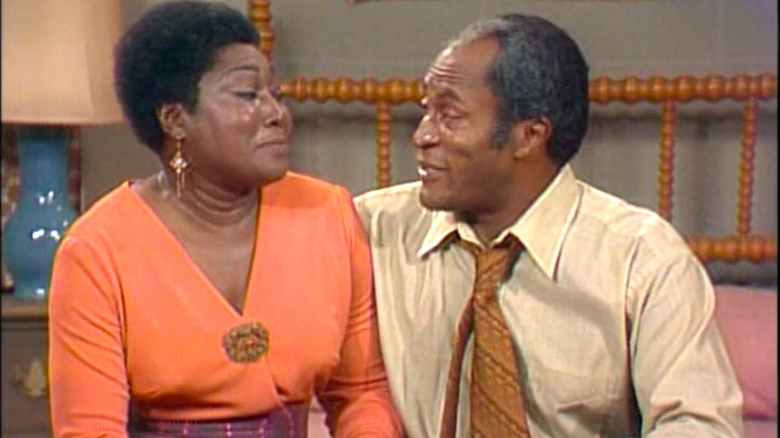
Florida Evans first appeared in Norman Lear's "Maude"; for "Good Times," the character's backstory was rewritten, and the family moved to public housing in Chicago. Addressing issues like gang violence, theft, child abuse, and eviction, the series also made history by presenting the first Black father to be found at home on screen.
The Flash
 The Flash
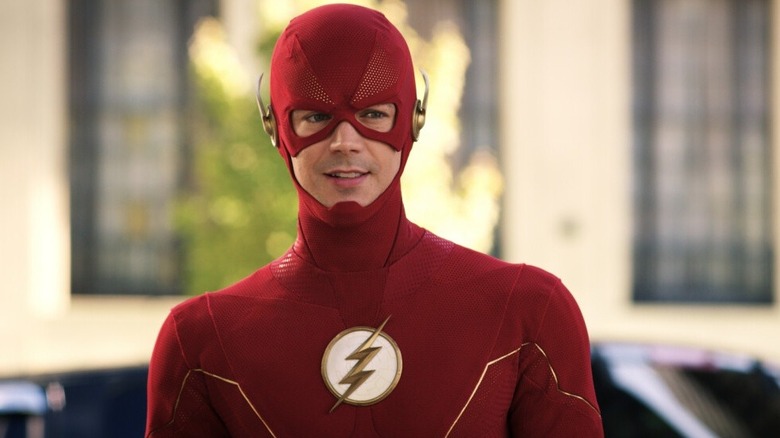
During The CW's golden age, it became the crown jewel of the Arrowverse, even overshadowing "Arrow," which lent its name to the universe. Its tone, balancing seriousness with lightness, the warmth of its cast, and the chemistry between Grant Gustin and Candice Patton, elevated the series beyond superhero action.
The Jeffersons
 The Jeffersons
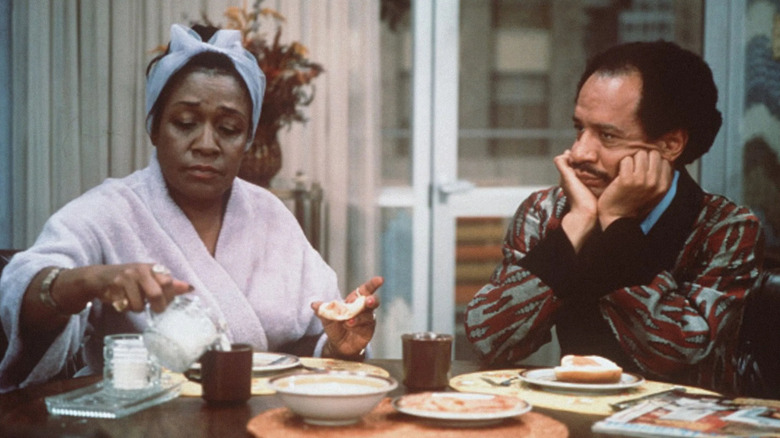
Another Norman Lear production. The only character you likely remember from "All in the Family" is Archie Bunker; in "The Jeffersons," it's the comedic chemistry of George and Weezie and Florence's sharp tongue that stick in your mind. It tackled topics like racism, gun violence, and substance abuse with the same courage but with a stronger cast.
Daria
 Daria
Daria
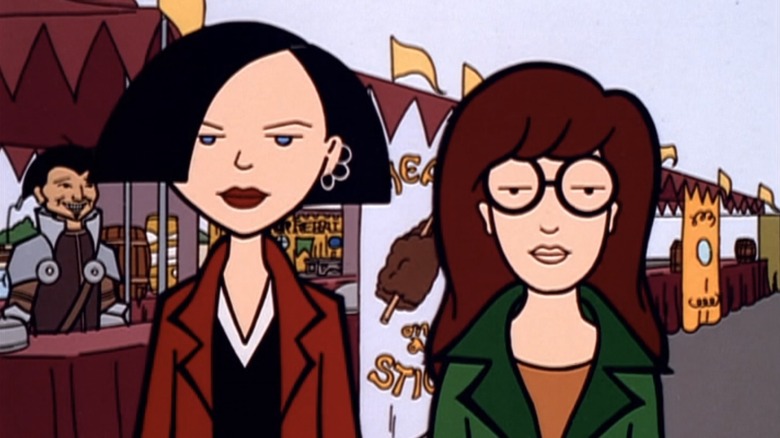
Daria Morgendorffer, a side character from "Beavis and Butt-Head," transformed into MTV animation's smartest social commentary in her own series. What she said about adolescence, class, and popularity is still relevant decades later; the show's strength lies in giving even "stupid" characters a layered past.
Star Trek: The Next Generation
 Star Trek: The Next Generation
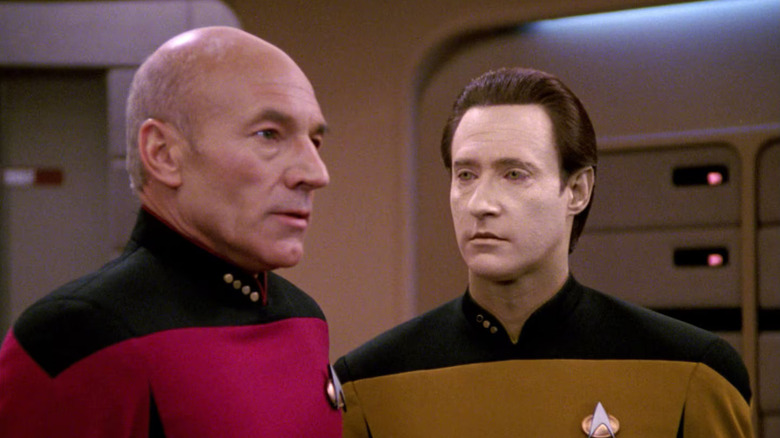
It's not only one of the best shows of the 90s but also considered one of the best spin-offs of all time. Its stories are more complex, the acting less theatrical; when watched today, it's more digestible than the original series. Picard and his crew elevated science fiction to a respected place in popular culture and laid a solid foundation for subsequent series like "Deep Space Nine."
In short: a spin-off doesn't always have to be a pale copy. Sometimes, it can even be the only reason we remember the original series.